
Building science-based, grower-led strategies for vole management
The Willamette Vole Management group unites growers and producers, researchers, state and federal agencies, and non-governmental organizations across the Willamette Valley to co-develop research and management strategies for gray-tailed vole populations.


Our Mission
Co-developing management solutions for the cyclical dynamics of gray-tailed voles
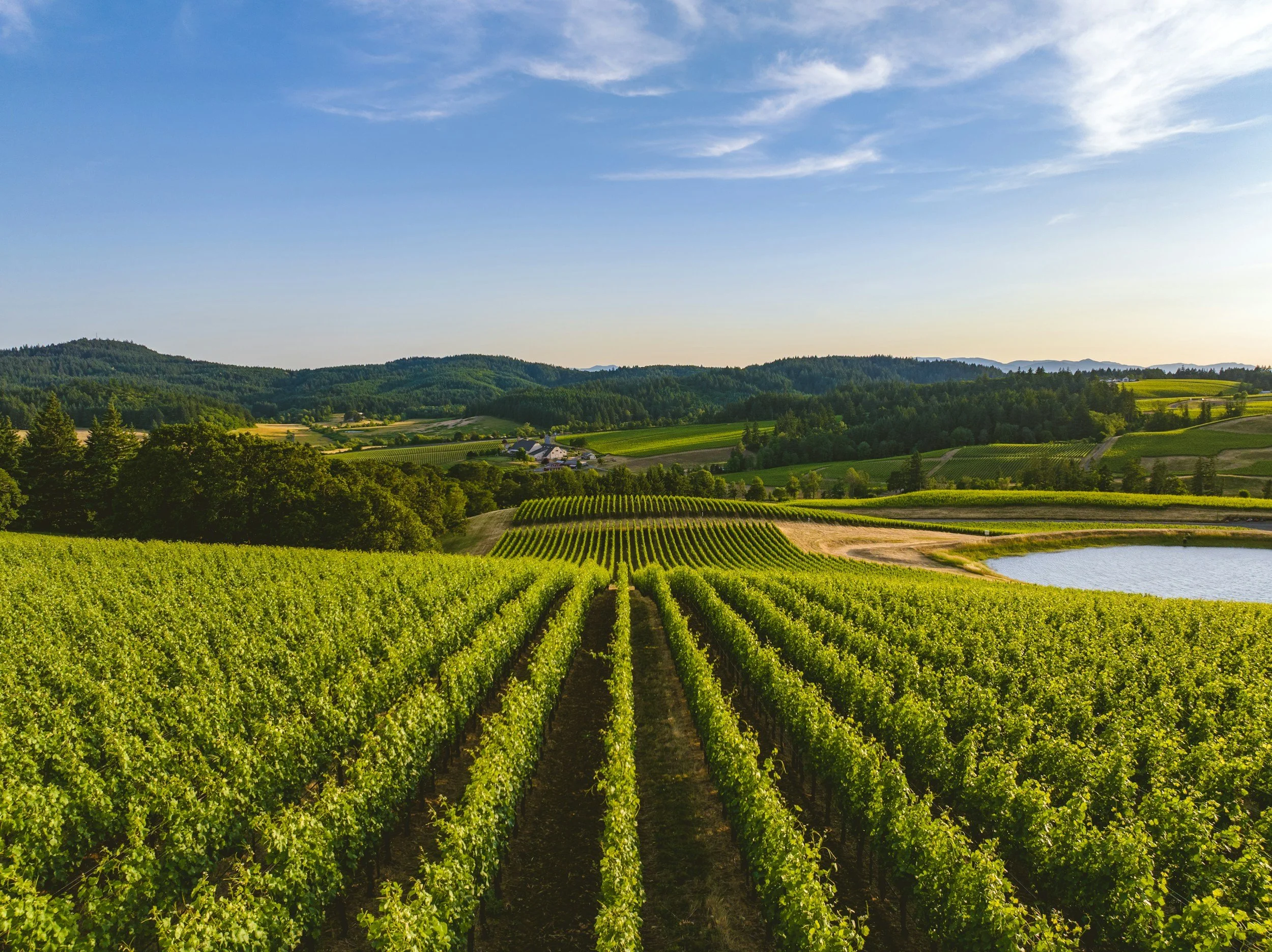
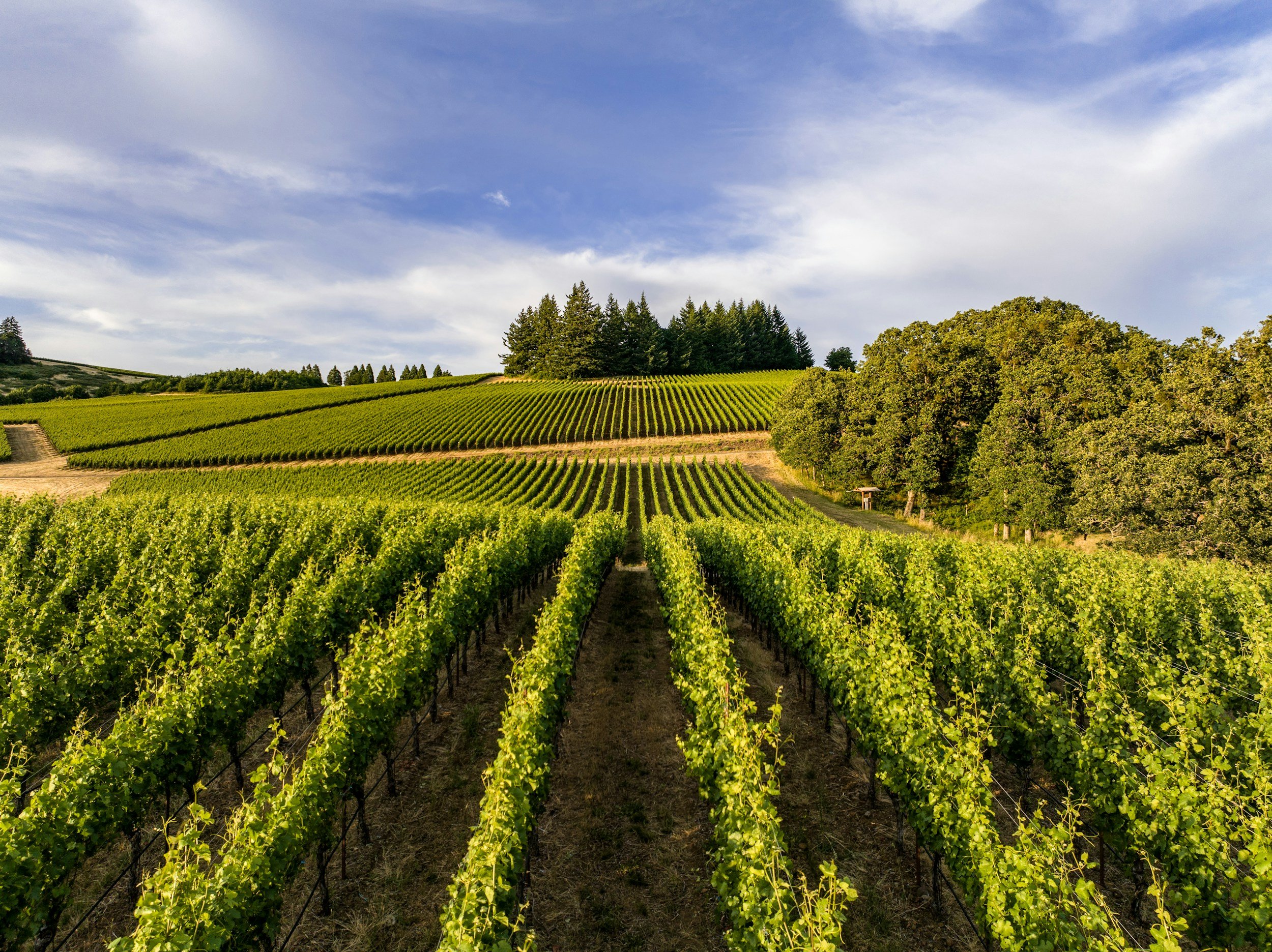
The Willamette Valley in the Pacific Northwest of the United States is an agricultural system of national and international importance. Over 80% of the grass seed grown in the United States and 99% of hazelnut production in the U.S. occurs in the Willamette Valley.
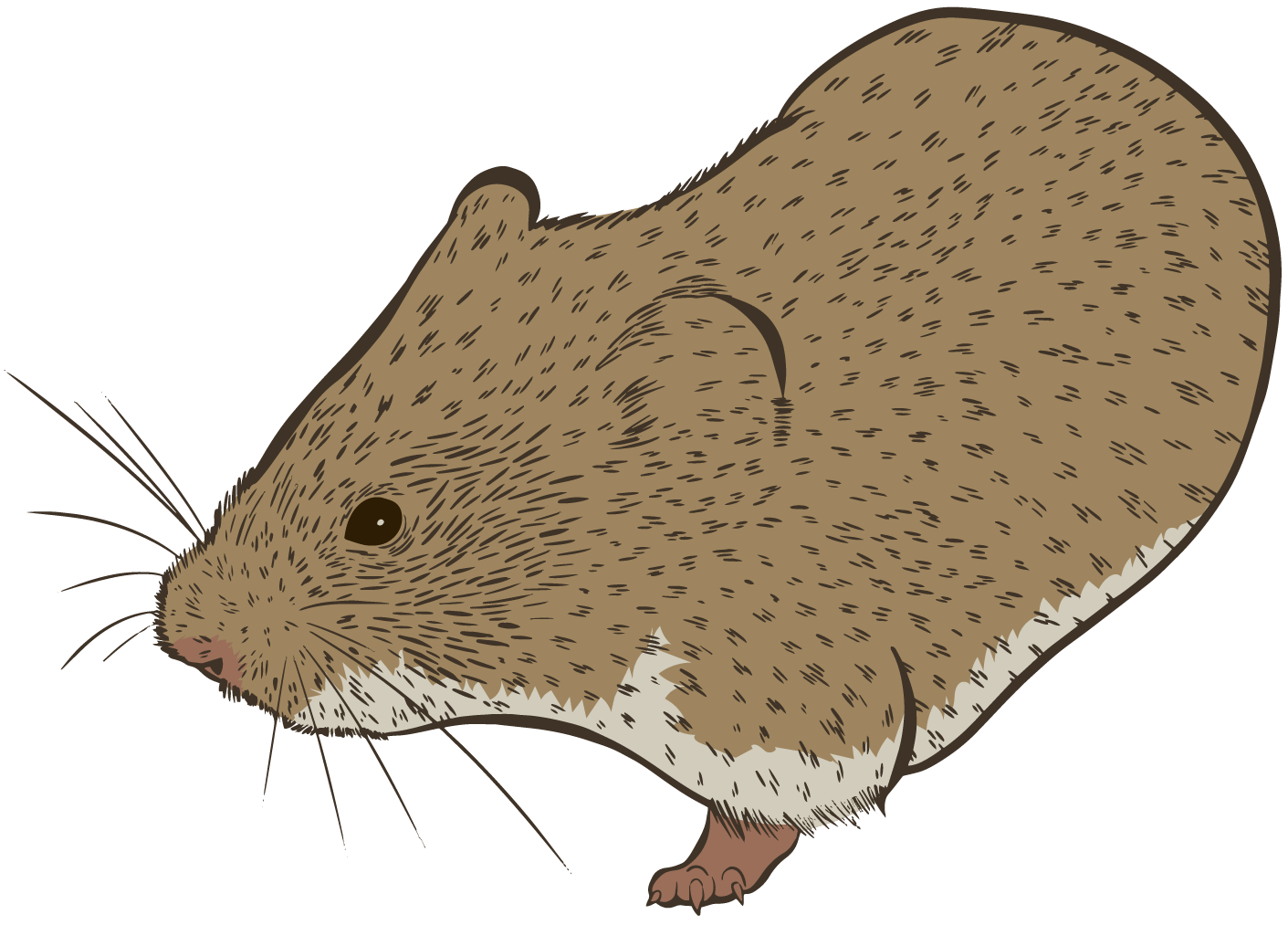
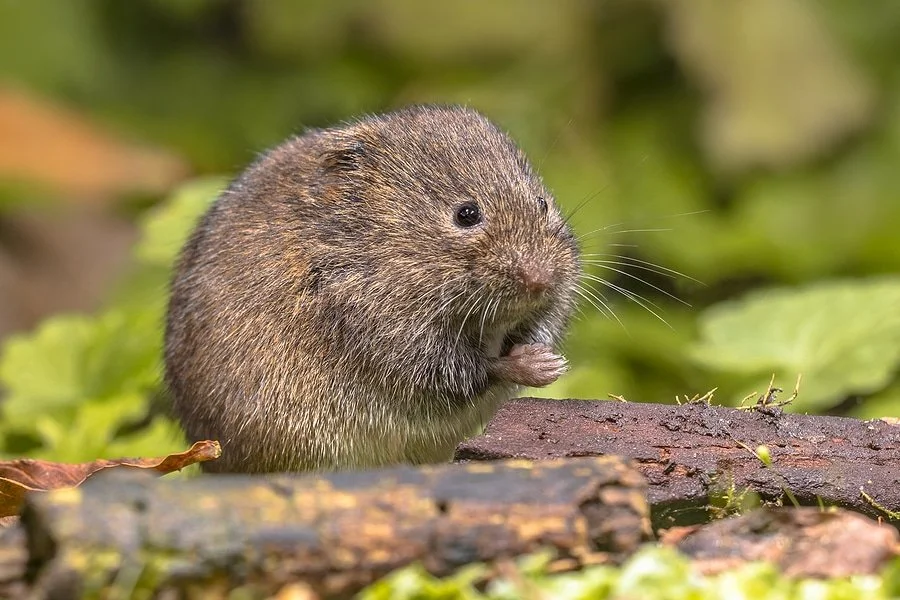
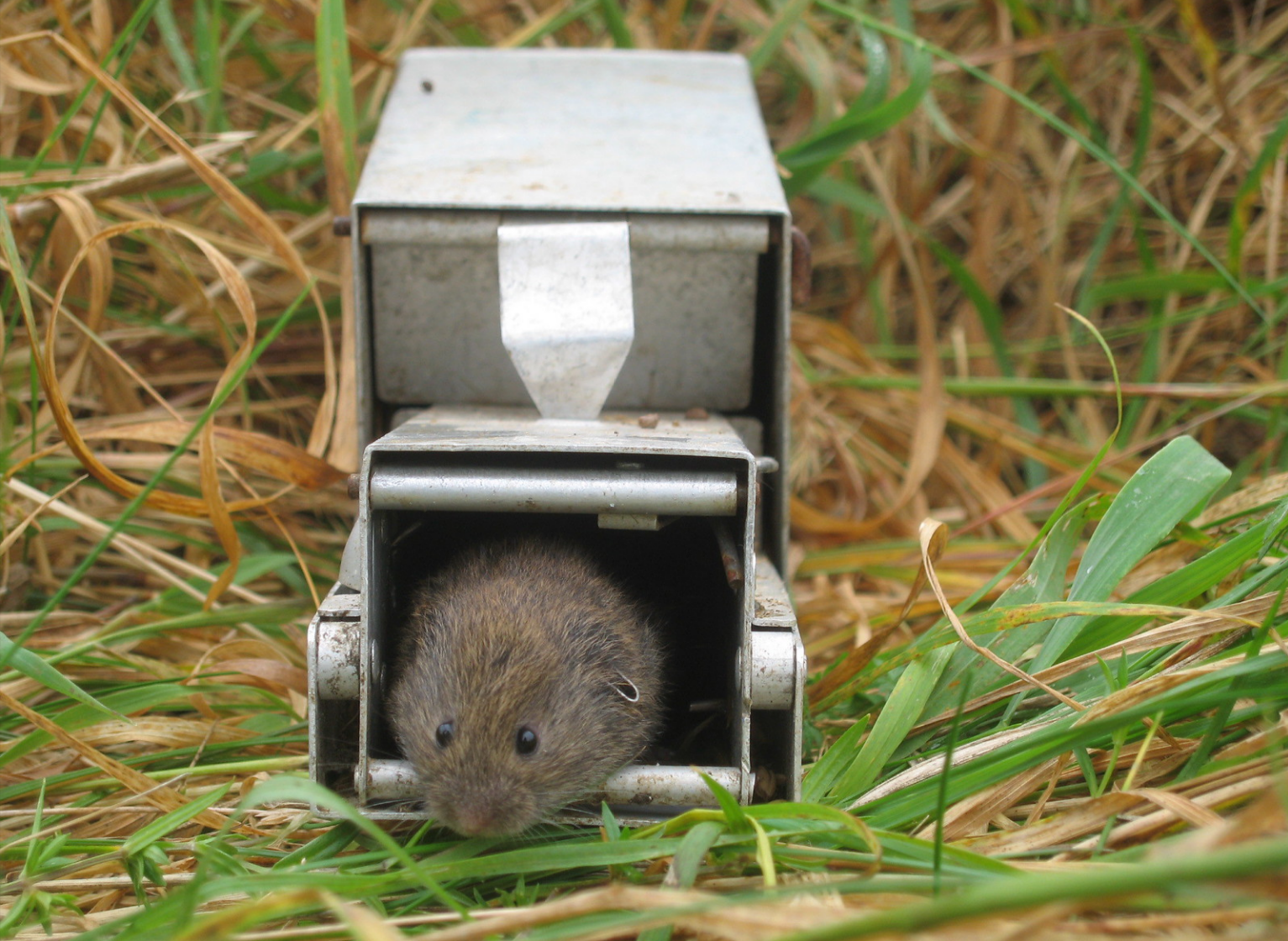
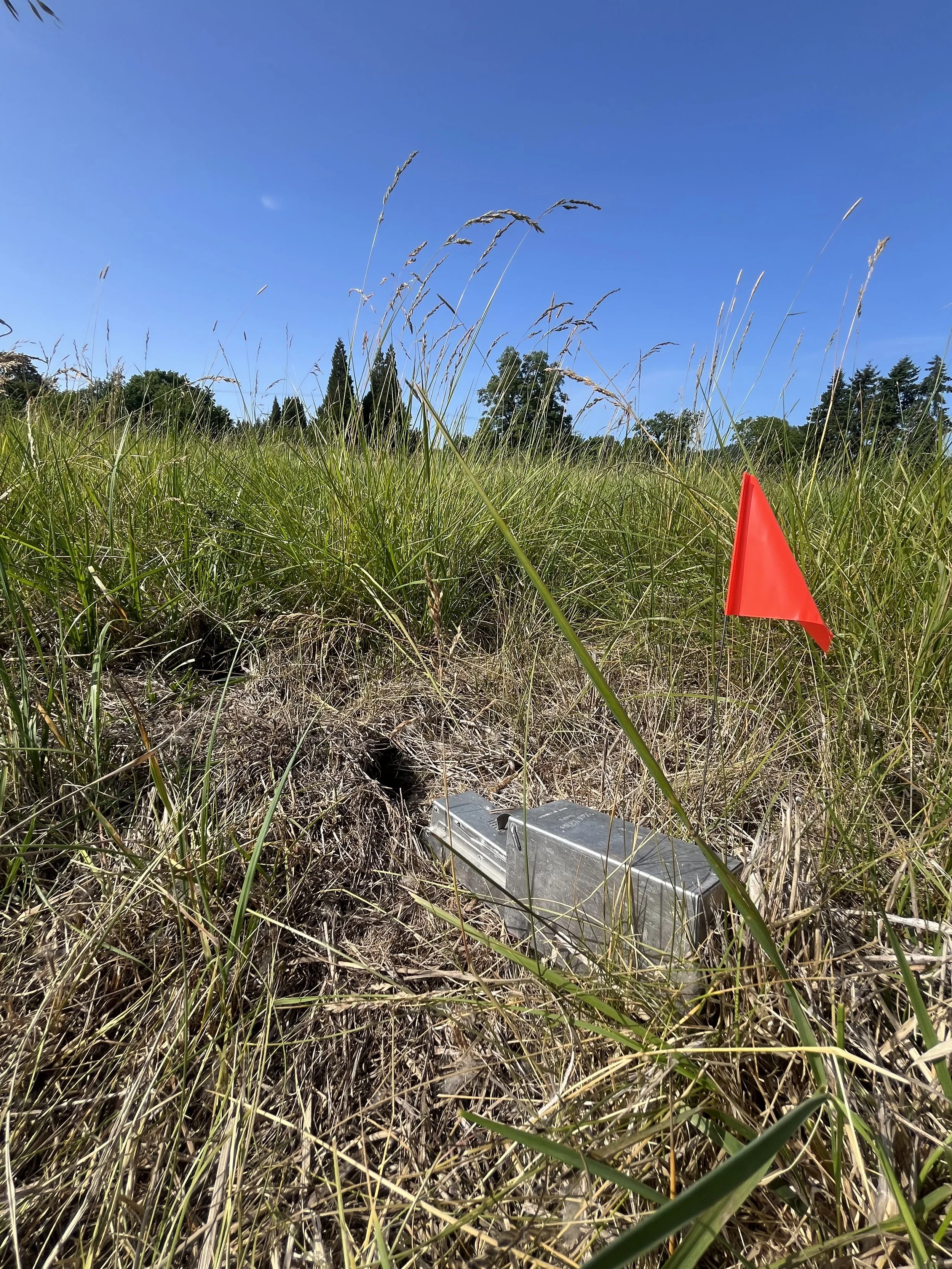
The region is also home to the gray-tailed vole, an endemic rodent which displays uncharacterized boom-bust population fluctuations. Vole population outbreaks can have major impacts on economic, ecological, even political systems.
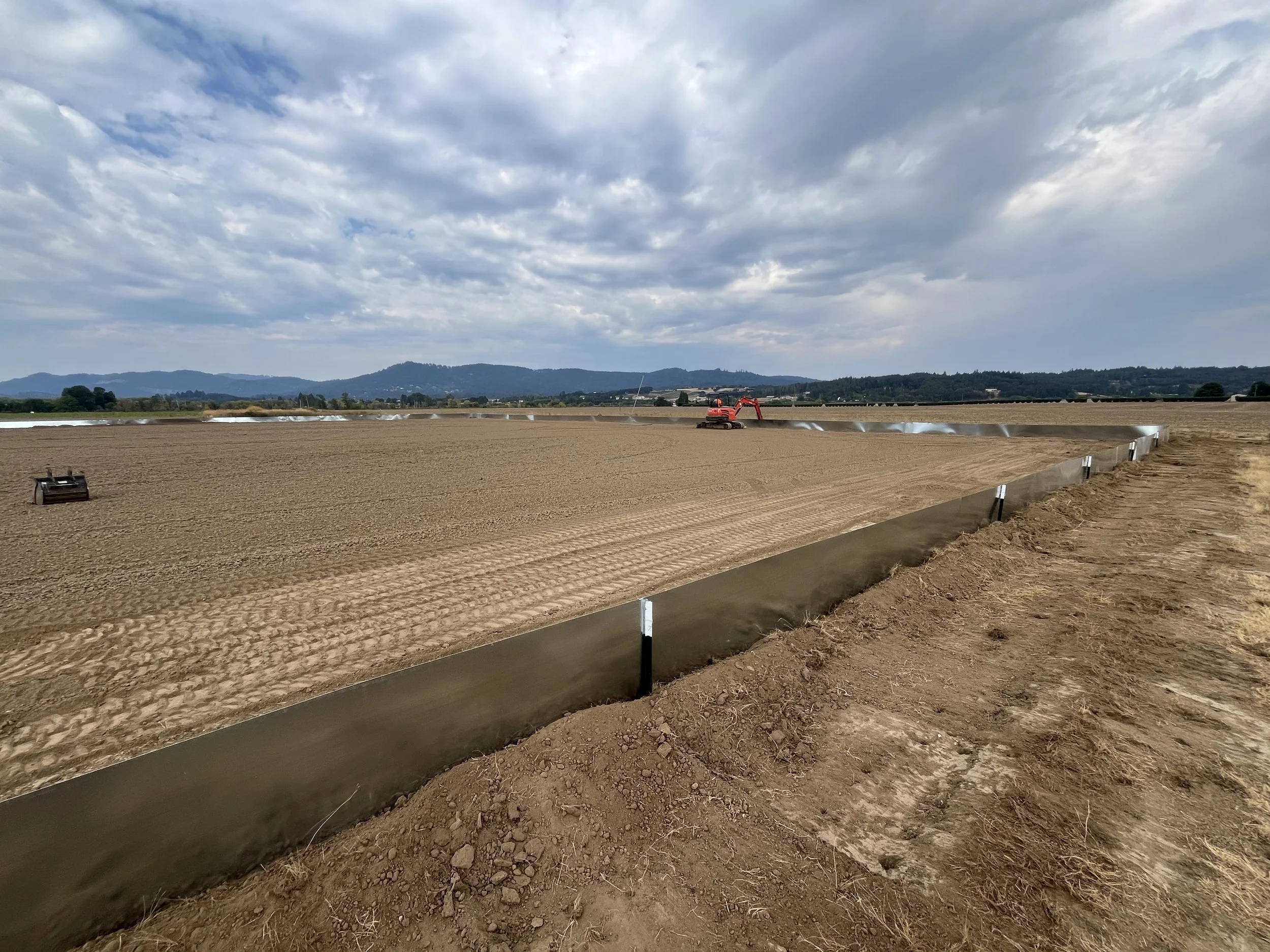
The Willamette Vole Management group unites stakeholders across the Valley to work on solutions for vole management that work for both people and wildlife.
Recent news and updates


Current projects
Why This Work Matters
Vole outbreaks can directly impact Willamette Valley’s economy, human health, and biodiversity.
We need everyone to better understand the currently unpredictable cycles of gray-tailed vole populations in the Willamette Valley. Through innovative collaborations, we can develop science-driven, stakeholder-led strategies for effective vole management.
